Climb Mount Kilimanjaro preparation: Essential Tips for a Successful Summit
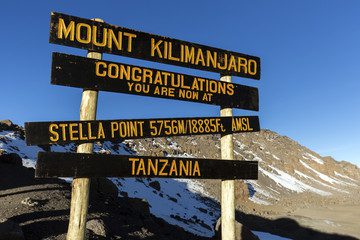
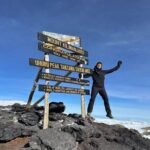
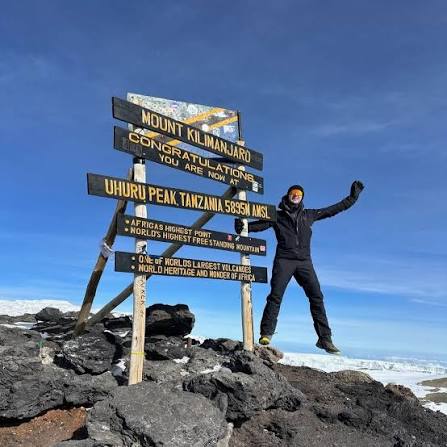
Mount Kilimanjaro is the highest peak in Africa and the tallest free-standing mountain in the world. Standing at 5,895 meters (19,341 feet), it is a bucket-list adventure for travelers worldwide. However, reaching the summit (Uhuru Peak) requires deliberate physical, mental, and logistical preparation.
To turn this challenging climb into a successful reality, choosing an experienced, reliable local partner makes all the difference. Booking your trek with a trusted local operator like Karagwe Tours and Safaris ensures you have professional guidance, ethical porter treatment, and a carefully structured itinerary from day one.
Here is your ultimate step-by-step preparation guide.
1. Choose the Right Route for Your Fitness Level
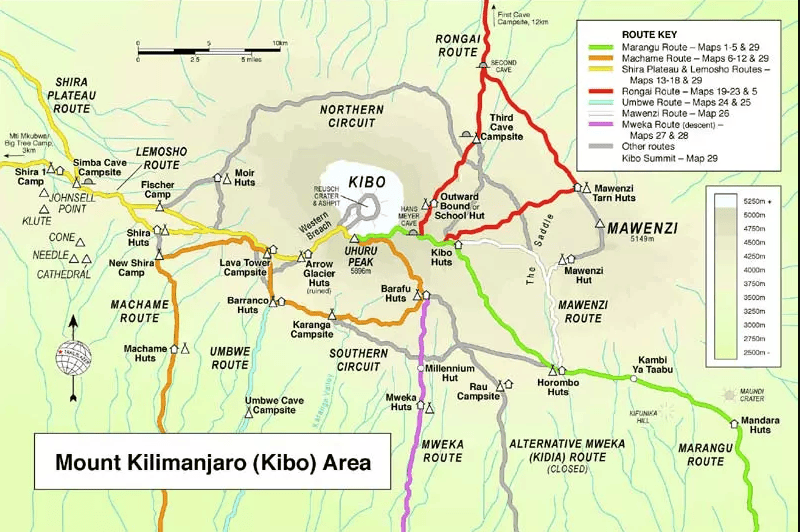
Kilimanjaro offers several routes, each with different scenery, difficulty levels, and acclimatization profiles. Choosing the right one is the single most important decision for your success rate.
- 7 Day Lemosho Route: Highly scenic, steeper, but offers excellent “climb high, sleep low” acclimatization. Best over 7 days.
- 5 Day Mt Kilimanjaro Hiking Marangu Route: The only route with hut accommodations instead of tents. It is a direct path but has a lower success rate on short (5-day) itineraries due to rapid ascent.
2. Physical Training: Build Endurance and Stamina
You do not need to be a professional athlete to climb Kilimanjaro, but you do need excellent cardiovascular endurance and strong legs.
- Focus on Aerobic Fitness: Engage in long-distance walking, running, cycling, or swimming 3–4 times a week to build lung capacity.
- Go Hiking: The best training for hiking is hiking. Spend weekends walking on inclined trails for 4–6 hours carrying a weighted daypack (5–7 kg).
- Strength and Core: Incorporate squats, lunges, and calf raises to prepare your joints for the grueling descent, which can be tough on the knees.
3. Mastering Altitude Acclimatization
The main reason trekkers fail to summit is Acute Mountain Sickness (AMS).
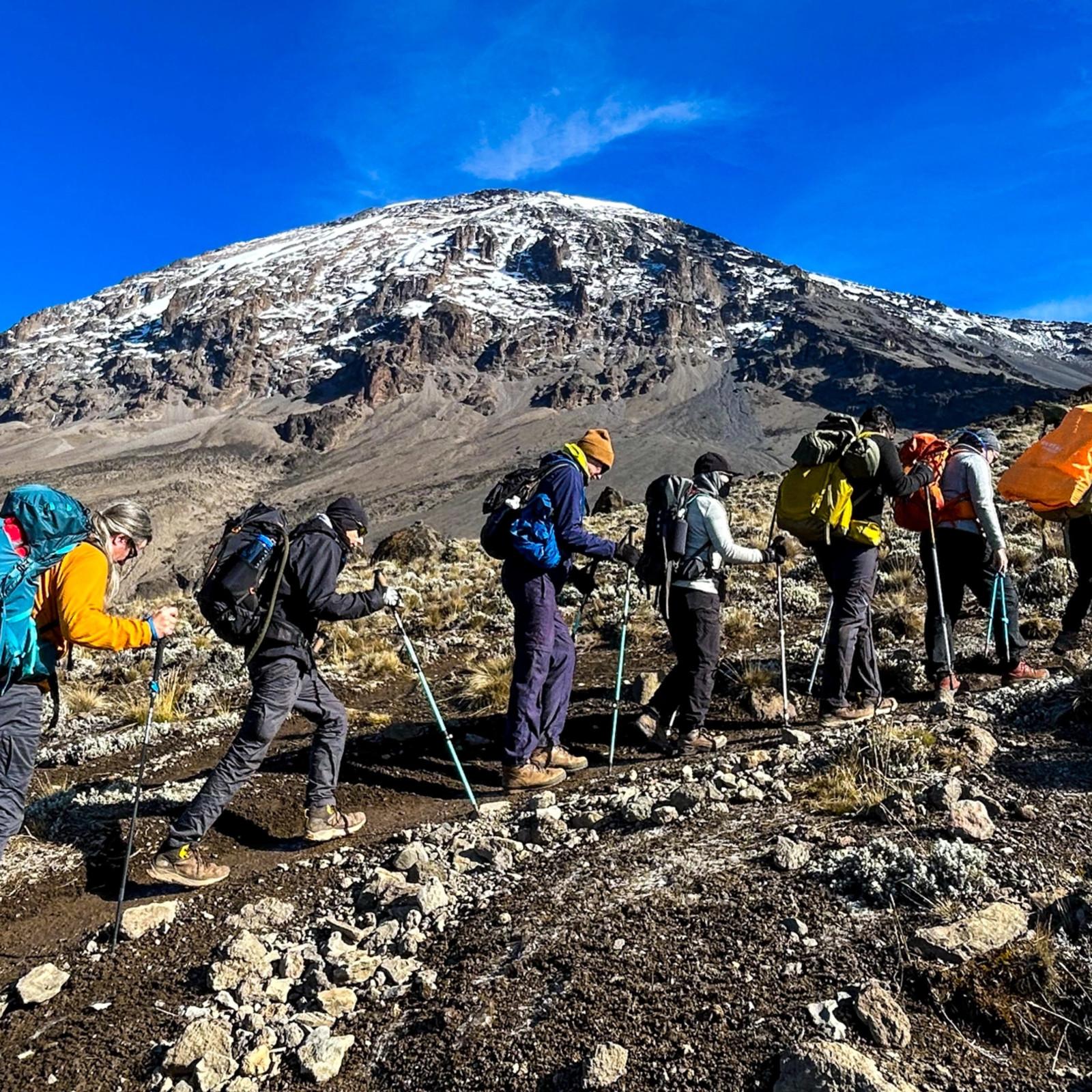
- Pole, Pole (Slowly, Slowly): This is the golden rule of Kilimanjaro. Listen to your guides and walk at a slow, rhythmic pace to save energy and let your body adapt.
- Hydration is Key: Drink 4–5 liters of water daily on the mountain.
- Consult Your Doctor: Discuss altitude medications like Diamox (Acetazolamide) with your physician before leaving.
4. The Ultimate Gear and Packing Checklist
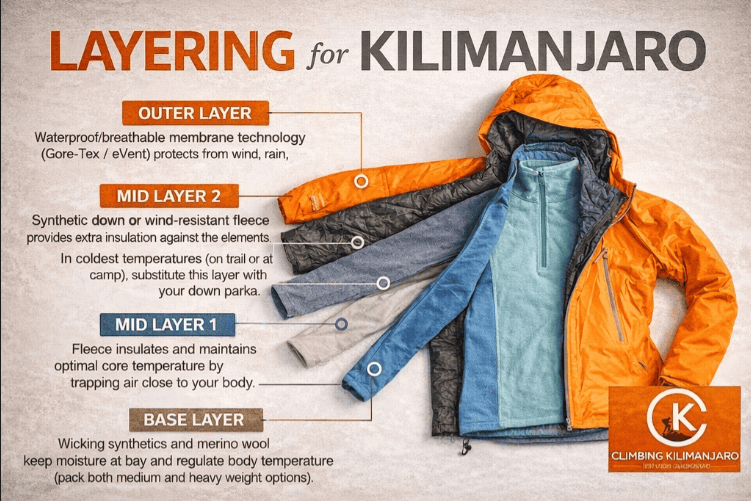
Having the right layers can make or break your summit night, where temperatures can plummet to -15°C (5°F).
- The Layering System: Bring moisture-wicking base layers, an insulating fleece mid-layer, and a waterproof, windproof outer shell jacket.
- Footwear: High-quality, broken-in trekking boots are mandatory. Do not hike in brand-new boots to avoid debilitating blisters. Bring several pairs of thermal merino wool socks.
- The Essentials: A high-quality headlamp (crucial for summit night), a 30L daypack, a warm sleeping bag (rated to -10°C or lower), polarized sunglasses, and trekking poles.
5. Why Your Choice of Guide Crew Matters
Legally, you cannot climb Kilimanjaro without a licensed guide, porters, and a cook. Your crew is your lifeline on the mountain. Choosing a company that prioritizes professional training and fair crew treatment ensures a safer and more positive environment.
Top-reviewed operators like Karagwe Tours and Safaris stand out precisely because of their team on the ground. Trekkers consistently praise their lead guides for their deep knowledge of altitude health markers, wildlife, and their encouraging, warm nature that keeps your spirits high on the toughest days.
6. Essential Logistics, Visas, and Health Requirements
- Visas: Most international travelers require a tourist visa to enter Tanzania, which can be easily obtained online via the official e-Visa portal or on arrival at Kilimanjaro International Airport (JRO).
- Medical Insurance: Ensure your travel insurance explicitly covers high-altitude trekking up to 6,000 meters, including emergency medical evacuation.
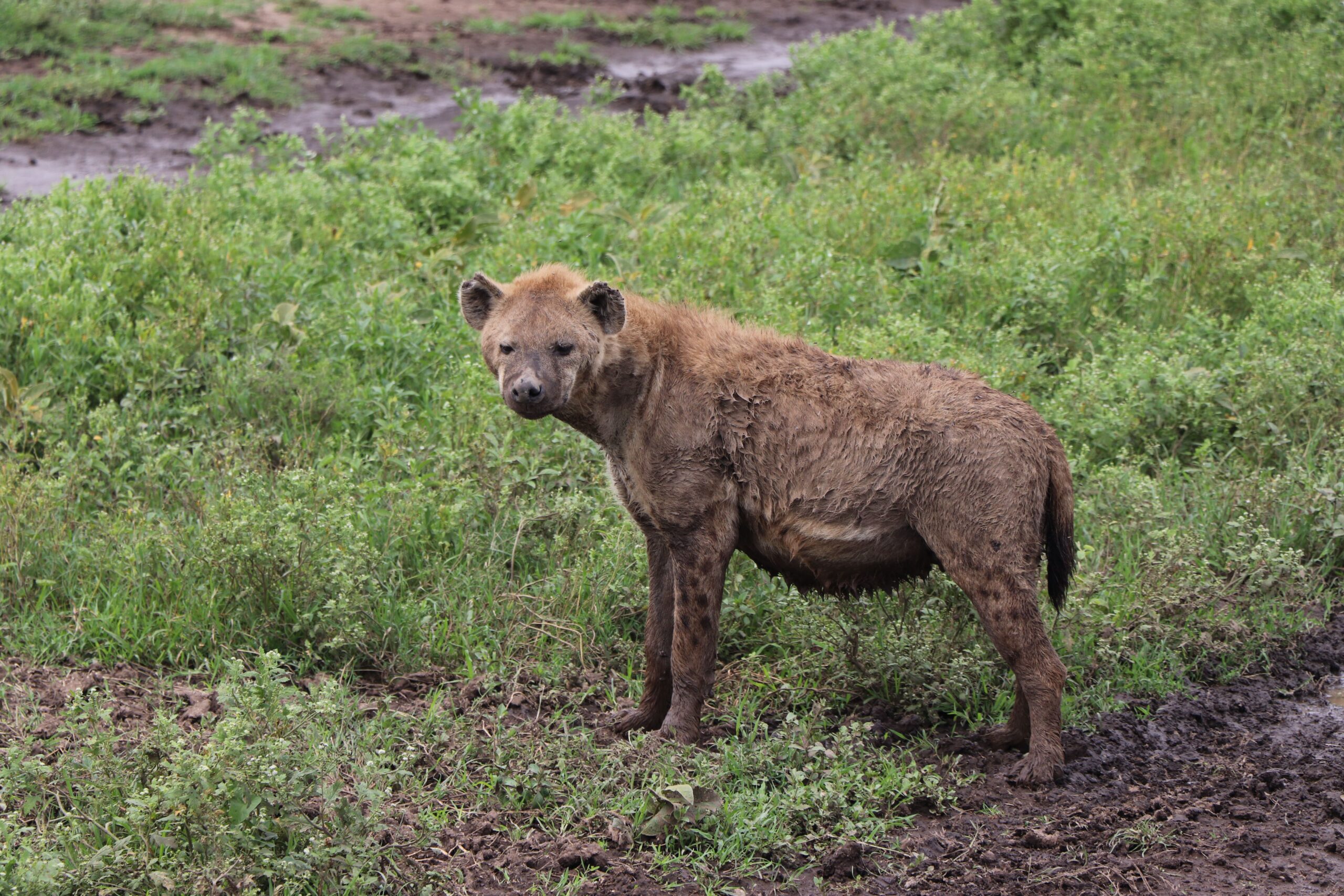
- Extend Your Adventure: Many travelers pair their grueling mountain trek with a rewarding wildlife safari. Beyond Kilimanjaro, you can easily have your operator group a classic Northern Circuit safari (Serengeti and Ngorongoro) or design an off-the-beaten-path trip to the wild, untouched Rumanyika-Karagwe National Park in northwest Tanzania.
Final Thoughts
Climbing Kilimanjaro is a mental game just as much as a physical challenge. When your legs grow heavy on summit night, it is your determination and the support of your crew that will carry you to the roof of Africa. Take your time, trust your local team, and enjoy the transforming landscapes from the lush rainforest to the arctic desert.